WHEN LIGHT TURNS TOXIC: THE REAL EFFECTS OF BLUE LIGHT ON YOUR HEALTH — AND WHAT YOU CAN DO ABOUT IT

We live surrounded by light. It guides our days, shapes our mood, and tells the body when to wake or rest. Yet the light we experience today is very different from the light our biology evolved to understand. Many people now turn to blue light glasses for support, but the deeper question remains: why has this modern glow become so exhausting for the body?
For most of human history, our rhythms were set by sunlight and fire. Now we move through a world lit by screens, LEDs, and city glow from morning until late at night. This constant exposure introduces light frequencies that our eyes, brain, and hormonal system were not designed to handle continuously.
Blue light, once a natural signal of daytime vitality, has become a constant digital companion. Every new generation of screens — brighter, sharper, and more vivid — emits even more of this high-energy wavelength. And while technology perfects image clarity, our biology pays the subtle cost.
WHAT BLUE LIGHT IS — AND WHY IT MATTERS
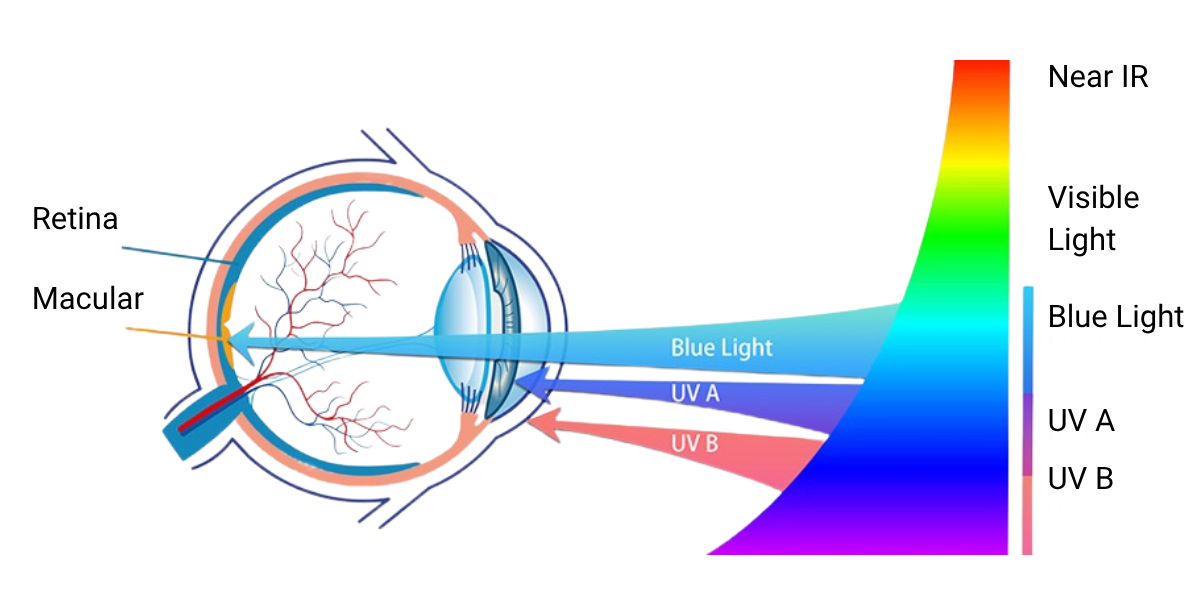
Blue light is a high-energy part of the visible spectrum, ranging from approximately 380 to 500 nanometres. The shorter the wavelength, the more energetic — and biologically stimulating — the light becomes. In daylight, this energy helps keep us alert and aligned with the sun’s natural rhythm. In sunlight, blue wavelengths are balanced by warmer red and infrared tones that support rest, regeneration, and cellular repair. This harmony disappears in modern environments.
Modern screens and LEDs isolate blue light and emit it in higher concentrations. This creates an unbalanced spectrum that the body perceives as constant daytime stimulation. Wellness expert Dave Asprey calls this imbalance “junk light,” comparing it to junk food — overstimulating, unbalanced, and tiring for the system.
Blue light itself is not harmful. It becomes problematic when exposure is continuous, intense, and disconnected from natural daylight cycles.

HOW EXCESS BLUE LIGHT AFFECTS THE BODY
Excess blue light doesn’t stay at the surface. It travels deep into the eye and reaches the retina — the thin layer of light-sensitive cells that sends visual signals to the brain. High-energy blue wavelengths can create oxidative stress in these cells. Research from the International Journal of Ophthalmology (2018) and Scientific Reports (2019) links this stress to eye fatigue, blurred vision, and a higher long-term risk of macular degeneration.
Blue light affects more than vision. Through neural pathways, it also influences the body’s sleep-wake cycle. When high-energy wavelengths reach the pineal gland — the small structure that regulates melatonin — they begin to alter the hormonal signals that prepare the body for rest. Studies from Harvard Health show that even one hour of evening screen use can suppress melatonin enough to shift sleep timing by up to two hours.
Disrupted melatonin is only part of the story. Longevity expert Dr Joseph Mercola warns that long-term blue-light exposure also increases oxidative stress throughout the body. This contributes to fatigue, inflammation, and premature aging. Dermatology research (Journal of Cosmetic Dermatology, 2020) shows that blue light can penetrate the skin and affect collagen and elastin, accelerating visible signs of aging.
In nature, blue light belongs to the day. When it dominates our evenings, nights, and indoor environments, it becomes an unnatural signal — stimulating when the body expects calm.
DIGITAL EYE STRAIN — THE HIDDEN EPIDEMIC
These internal effects often show up first as everyday discomfort. With digital use now unavoidable, many people experience what ophthalmologists call Digital Eye Strain.
The human eye was not designed to focus on bright, close-range screens for hours at a time. Yet this has become a normal part of work, study, and leisure. Symptoms often begin subtly: dryness, burning, blurred vision, or a dull headache after long screen sessions. Over time, discomfort can extend to the neck and shoulders.
Children are especially vulnerable. Their eyes are still developing, and they absorb more blue light than adults because their natural lenses are clearer. With school, homework, and entertainment all happening on screens, their exposure is higher than ever.
PRACTICAL WAYS TO REDUCE DIGITAL EYE STRAIN
- Follow the 20-20-20 rule: every 20 minutes, look at something at least 6 metres away for 20 seconds.
- Match screen brightness to the room: avoid screens brighter than your surroundings.
- Use warmer tones in the evening: switch devices to night mode after sunset.
- Blink consciously: regular blinking maintains the eye’s natural tear film.
- Seek natural daylight: morning sun helps reset the visual and hormonal systems.
- Use protective eyewear: anti-blue-light glasses reduce strain and filter aggressive wavelengths.
- These simple habits help restore the natural rhythm of tension and release that our eyes depend on — a balance modern environments too easily disrupt.
NATURAL TECHNOLOGY FOR MODERN VISION
True innovation doesn’t compete with nature — it learns from it. The eCell VisionProtect Glasses were created with this purpose in mind: to make daily screen use easier on your eyes.
Their lenses filter the most aggressive range of blue light (415–455 nm) — the wavelengths most associated with retinal oxidative stress and melatonin disruption. By reducing excess stimulation, the glasses help the eyes stay relaxed and focused during long screen sessions. Wearing them in the evening supports the body’s natural shift toward rest.
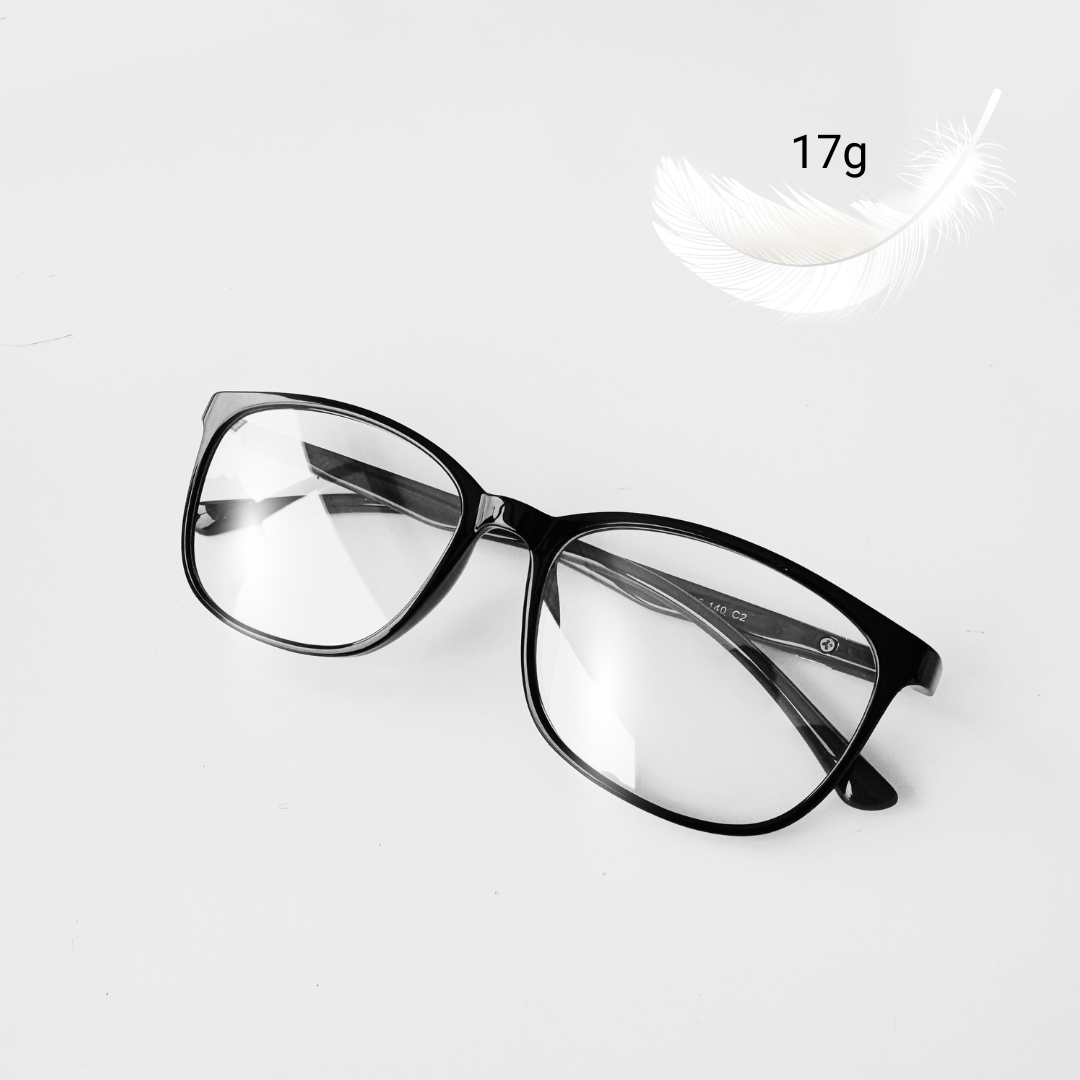
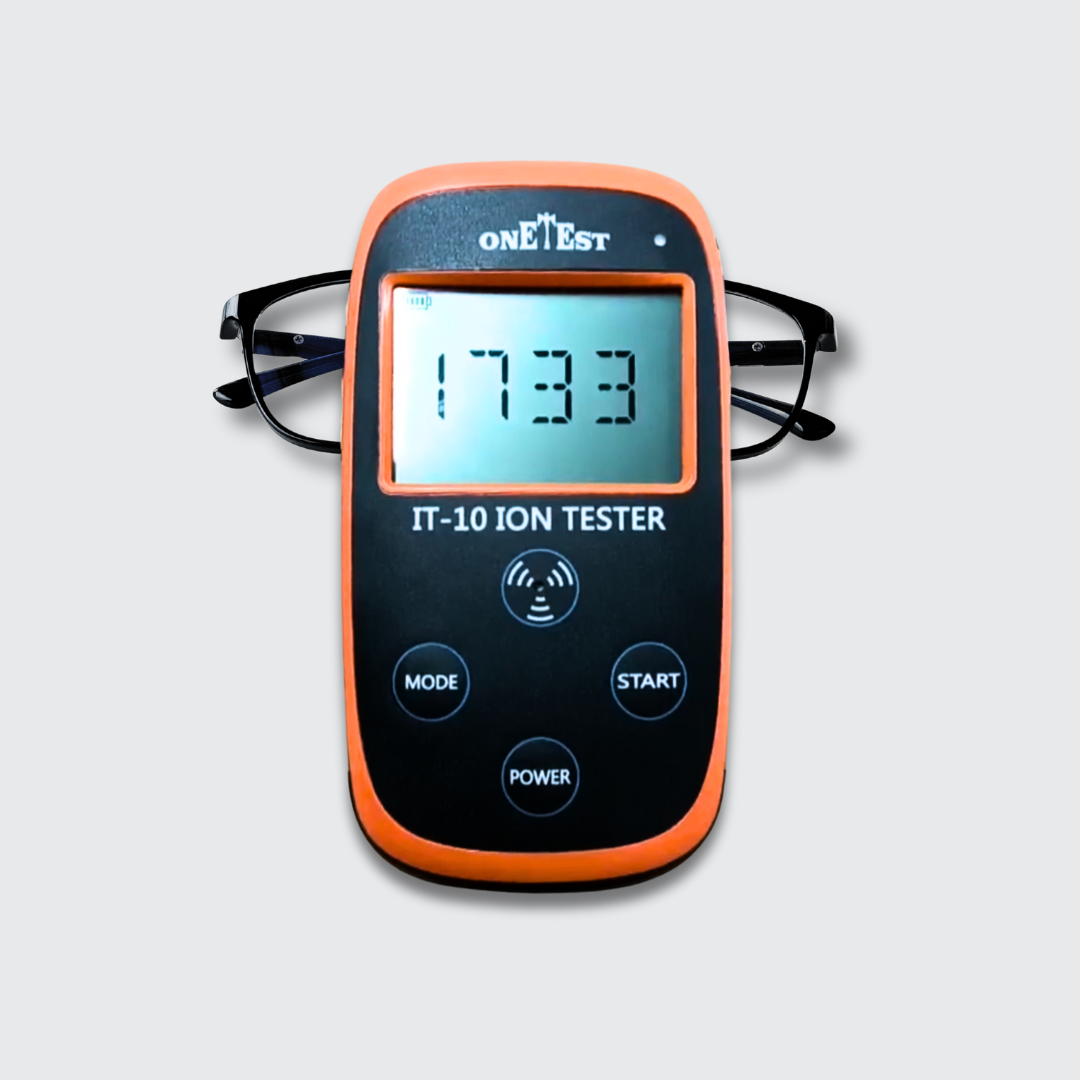
Beyond protection, the frames also emit negative ions, naturally occurring molecules found in forests, mountains, and near waterfalls. Negative ions may help neutralize free radicals and support a sense of visual comfort, especially during prolonged digital work. Weighing just 17 grams, the glasses are designed for all-day comfort and barely-there feel.
Designed for both adults and children, VisionProtect Glasses make screen-heavy days gentler on the eyes and help restore clarity and comfort. Protecting your eyes from harsh blue light is a simple way to support clearer vision, better sleep, and overall well-being.
Cutting-edge computer glasses with advanced anti-glare coating and high-tech frames, designed to enhance visual comfort, reduce digital eye strain, and improve focus.
FAQ – BLUE LIGHT, EYE HEALTH, AND VISIONPROTECT GLASSES
1. What is blue light and why is it harmful?
Blue light is a high-energy visible wavelength emitted by the sun and modern screens. In excess — especially at night — it causes eye strain, disrupts melatonin, affects sleep, and contributes to oxidative stress in the retina.
2. Does blue light really damage the eyes?
Scientific studies show that prolonged exposure to short-wavelength blue light (415–455 nm) can increase oxidative stress on retinal cells, leading to blurred vision, eye fatigue, and a higher risk of macular degeneration over time.
3. Can blue light affect sleep?
Yes. Blue light suppresses melatonin, the hormone that signals the body to sleep. Using screens at night can delay sleep by up to two hours and reduce deep, restorative rest.
4. Does blue light age the skin?
Research confirms that blue light penetrates the skin and generates free radicals that damage collagen and elastin. This accelerates visible skin aging, causing dullness, fine lines, and reduced elasticity.
5. What is digital eye strain?
Digital eye strain is discomfort caused by prolonged screen use. Symptoms include dryness, headaches, blurred vision, and tension around the eyes. It affects both adults and children.
6. Do anti-blue-light glasses really work?
High-quality anti-blue-light glasses filter harmful wavelengths, reduce retinal stress, ease screen fatigue, and support healthier sleep patterns — especially when worn in the evening.
7. What makes eCell VisionProtect Glasses different?
VisionProtect Glasses filter the most aggressive blue-light range (415–455 nm) and feature frames that emit natural negative ions, which help reduce oxidative stress and enhance comfort during long screen sessions. Weighing just 17 grams, the glasses are designed for all-day comfort and barely-there feel.
8. Should children use blue-light protection?
Yes. Children’s eyes absorb more blue light than adults because their lenses are clearer. With increasing screen time for school and entertainment, protective eyewear can help prevent long-term eye strain and sleep disruption.
9. How can I reduce blue-light exposure naturally?
Use warm screen settings after sunset, follow the 20-20-20 rule, blink often, get morning sunlight, and reduce evening screen time. Wearing anti-blue-light glasses provides additional protection.
10. When should I wear blue-light glasses?
You can wear them any time you use screens, but they are especially beneficial in the evening when blue light has the strongest effect on melatonin and sleep quality.
About the Author
I’m a multilingual wellness professional with certifications in fitness, nutrition, and holistic health. My global experience fuels my passion for natural, vibrant living and for technologies that mimic nature’s intelligence. My mission is to help others elevate their well-being through knowledge, balance, and conscious daily practices.